
Prussian Military Conscription
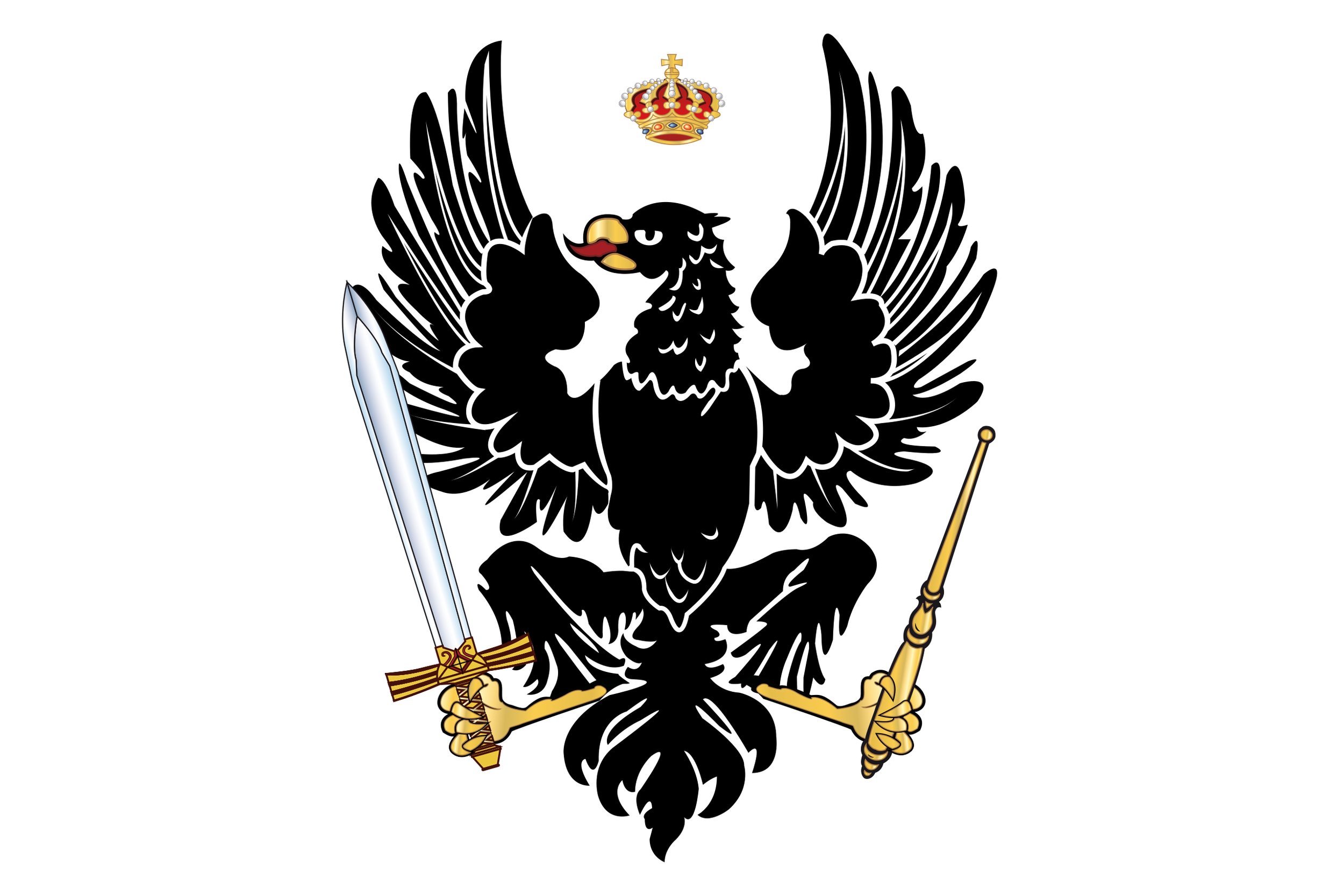
Kingdom of Prussia State Flag [1803-1892]

Ferdinand Bals’ Prussian Military Certificate [1879]
The evolution of Prussian, and subsequently German, army conscription from 1600 to the present day is a fascinating chronicle of state-building, military necessity, and societal change, moving from mercenary forces to a selective, class-based system, then to universal service and finally to a professional volunteer army. It reflects a profound shift in the relationship between the citizen and the state, deeply intertwined with major historical upheavals like the Thirty Years' War, the Napoleonic Wars, and the two World Wars.
The Era of Mercenaries and the Canton System [1600s - 1806]
In the early 17th century, during the devastating Thirty Years' War, Brandenburg-Prussia primarily relied on hired mercenary forces, a common practice across Europe. However, this system proved undependable and expensive, leading Elector Frederick William to start building a more reliable standing army through early forms of conscription in 1644.
The system was formally institutionalized in 1733 by Frederick William I with the introduction of the Canton System (or Kantonsystem). This innovative approach divided the kingdom into recruiting districts, or "cantons," each assigned to a specific regiment.
Territorial Principle: Every male from a young age was technically enrolled in the army rolls of his local canton.
Selective Service and Exemptions: Service, however, was highly selective in practice. The system primarily targeted the rural peasant population, particularly second sons who were less critical to the agricultural economy. Important cities (like Berlin and Potsdam), the nobility, the wealthy middle class, civil servants, university students, and certain professions were largely exempted.
Reservist Model: Cantonists served short periods of active peacetime duty, often just a few months a year for training, and spent the rest of their time as civilians, effectively functioning as a reserve force that could be mobilized in wartime. This allowed Prussia to maintain a large potential military force relative to its population without disrupting the economy or incurring the high costs of a massive standing professional army.
This system, refined by Frederick the Great, provided the resilient, well-drilled infantry that was the backbone of Prussian military success in the Silesian and Seven Years' Wars.
The Napoleonic Shocks and Universal Conscription [1806 - 1871]
The humiliating defeats at the Battles of Jena and Auerstedt in 1806 against Napoleon's mass conscript armies exposed the limitations of the old system. The Prussian state underwent a period of profound military and societal reforms, led by figures like Scharnhorst and Gneisenau, who sought to mobilize the entire populace for national defense.
The Krümpersystem: Due to treaty restrictions imposed by the French limiting the standing Prussian army to just 42,000 men, the Prussians developed the ingenious Krümpersystem. This "shrinkage" or "furlough" system involved rapidly training recruits and then rotating them into the reserves to train new ones, effectively building a large pool of trained manpower beyond treaty limits.
General Conscription Law of 1814: The final break with the old order came with a Cabinet Order in February 1813 that suspended the canton system and introduced universal conscription for the duration of the war. This was formalized by the Law on the Obligation of Military Service (Gesetz über die Verpflichtung zum Kriegsdienst) on September 3, 1814. This seminal law mandated military service for all able-bodied men over 20 years of age, comprising three years of active service and a further two years in the reserve.
The Landwehr: Complementing the regular army was the Landwehr, a territorial militia system for men aged 25 to 40, which provided additional manpower and instilled a sense of national duty.
This universal service model, based on a short active term followed by long reserve liability, became the defining characteristic of the modern Prussian, and later German, military system, proving overwhelmingly effective in the wars of German unification.
Imperial Germany, World Wars, and Division [1871 - 1990]
Upon the unification of Germany in 1871, the Prussian system of universal conscription was adopted by the new German Empire. Conscription remained the bedrock of German military power through World War I.
After the war, the Treaty of Versailles severely restricted German armed forces, but conscription was reintroduced during the Third Reich era as Germany rearmed in the 1930s.
Following World War II, both West Germany (Federal Republic of Germany) and East Germany (German Democratic Republic) eventually established new armed forces, the Bundeswehr and the Nationale Volksarmee, respectively. Both adopted conscription during the Cold War era. In West Germany, conscription was introduced in 1956 and became a key part of its defense policy, rooted in the idea of the "citizen in uniform."
Suspension and the Present Day [1990 - Present]
After German reunification in 1990, conscription continued for the unified Bundeswehr. However, as the geopolitical landscape changed with the end of the Cold War and military technology advanced, the necessity and practicality of mass conscription were increasingly questioned.
In 2011, Germany officially suspended compulsory military service, a move that effectively professionalized the Bundeswehr. While the legal framework for conscription technically remains in place in the German Basic Law (constitution) and could be reactivated in a state of defense (Verteidigungsfall), the German armed forces today are a volunteer professional military.
In conclusion, the journey of Prussian/German conscription showcases an evolving pragmatic approach to military manpower, transitioning from a limited, class-based draft to an inclusive national obligation that successfully forged a powerful military tradition. The eventual suspension of conscription reflects modern military realities and societal shifts towards professional forces.
Sources
Google AI:
Historical synopsis of Prussian Military conscription
Ferdinand Bals’ Prussian Calvary Certificate Photo - Claire Brennan